
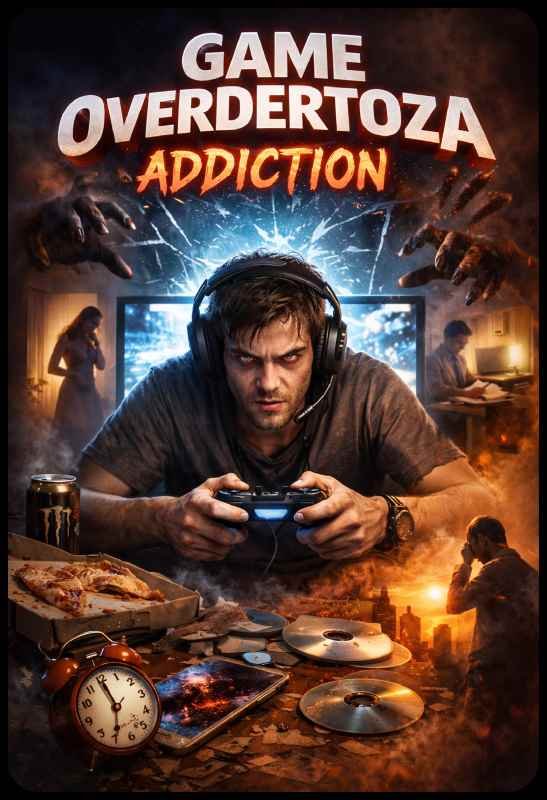
The digital world has transformed entertainment, and gaming now sits at the center of youth culture, competitive sports, and online communities. While most players enjoy games responsibly, a growing number struggle with game overdertoza addiction, a term increasingly used to describe extreme and compulsive gaming behavior that disrupts real life. This issue goes beyond casual play and enters a space where mental health,
productivity, and personal relationships are at risk. In this article, we will explore what this addiction really means, why it develops, how it affects individuals, and what steps can be taken to regain control. As gaming continues to evolve, understanding its darker side has become more important than ever.
What Is Game Overdertoza Addiction?
At its core, game overdertoza addiction refers to an unhealthy obsession with a specific gaming pattern where players feel mentally “trapped” in endless cycles of gameplay. Unlike ordinary gaming enthusiasm, this condition is marked by loss of control, emotional dependence, and neglect of daily responsibilities. People experiencing this issue often feel compelled to keep playing even when the game no longer brings joy.
The mind becomes locked in a loop of wins, losses, upgrades, and virtual rewards, making it difficult to stop. Over time, this behavior reshapes priorities, replacing real-world goals with digital achievements. This form of addiction is not limited to one genre. It can arise from online multiplayer games, mobile games, or immersive role playing worlds that reward constant engagement.
Why Gaming Becomes So Addictive
Game developers design experiences to be engaging, competitive, and emotionally rewarding. These elements, while fun, can also create psychological hooks that are difficult to escape. Many games use reward systems that stimulate dopamine release in the brain. Achievements, rankings, loot boxes, and daily missions encourage repeated play. Over time, the brain begins to associate gaming with pleasure, motivation,
and even stress relief. Social factors also play a role. Online communities can create pressure to stay active so players don’t fall behind friends or teams. This combination of psychological rewards and social expectations lays the groundwork for deeper dependency.
Causes of Game Overdertoza Addiction
Understanding the root causes of game overdertoza addiction helps explain why some people are more vulnerable than others. One major factor is emotional escape. Individuals facing stress, loneliness, anxiety, or low self-esteem may turn to gaming as a safe space where they feel competent and in control. Another cause is lack of structure in daily life. When someone has excessive free time and limited responsibilities,
gaming can easily fill the gap. Over time, the habit becomes routine, and the line between entertainment and dependency blurs. Personality traits also matter. Highly competitive individuals or perfectionists may struggle to stop once they start, constantly chasing higher ranks or better outcomes. Combined with persuasive game design, these traits can intensify the addiction cycle.
Psychological and Physical Effects
The impact of excessive gaming goes far beyond the screen. Mentally, individuals may experience mood swings, irritability, anxiety, and difficulty concentrating. When not playing, they may feel restless or empty, constantly thinking about the next session. Physically, prolonged gaming can lead to eye strain, headaches, poor posture, and disrupted sleep patterns. Late night gaming sessions often interfere with healthy
routines, weakening the immune system and reducing overall energy levels. Over time, these effects compound, making it harder for individuals to function effectively in work, school, or family life.
Warning Signs of Game Overdertoza Addiction
Recognizing game overdertoza addiction early can prevent long-term damage. One of the most common warning signs is loss of time awareness. Hours pass unnoticed, and gaming sessions last far longer than intended. Another red flag is neglect of responsibilities. Work deadlines, studies, meals, and personal hygiene may be ignored in favor of playing. Social withdrawal is also common, with individuals
preferring virtual interactions over real world relationships. Emotional reactions are another key indicator. Feelings of anger, frustration, or sadness when unable to play suggest emotional dependence rather than simple enjoyment. When gaming becomes the primary source of happiness, the balance is already lost.
Impact on Relationships and Career
Excessive gaming doesn’t just affect the individual; it also impacts those around them. Family members may feel ignored or disconnected, leading to tension and misunderstandings. Friends may drift away as gaming replaces social interaction. In professional or academic settings, performance often declines. Missed deadlines, poor attendance, and lack of focus can harm long-term career prospects.
Unfortunately, many individuals only realize the damage once significant opportunities have already been lost. This social and professional fallout often increases emotional stress, pushing the individual further into gaming as a coping mechanism.
Breaking the Cycle: Recovery from Game Overdertoza Addiction
Recovery from game overdertoza addiction begins with self-awareness. Acknowledging that gaming has become a problem is the most important step. Without awareness, change is nearly impossible. Setting clear boundaries is essential. This may include limiting daily playtime, removing certain games, or scheduling screen-free hours. Replacing gaming time with healthier activities such as exercise, reading, or social
interaction helps retrain the brain. In more severe cases, professional support may be necessary. Therapists and counselors can help individuals understand the emotional triggers behind their behavior and develop coping strategies that don’t rely on gaming.
Role of Family and Community Support
Support from family and friends can significantly improve recovery outcomes. Encouragement, understanding, and non judgmental communication create a safe environment for change. Instead of criticism, loved ones should focus on positive reinforcement. Celebrating small achievements, such as reduced screen time or improved routines, helps rebuild confidence. Community programs and online support groups
can also provide shared experiences and accountability. Recovery is not about eliminating games entirely, but about restoring balance and control.
Healthy Gaming in the Digital Age
Gaming itself is not the enemy. When practiced responsibly, it can improve problem-solving skills, teamwork, and even stress management. The key lies in moderation and self discipline. Healthy gamers set limits, prioritize real-world responsibilities, and remain mindful of their emotional state. They view gaming as one part of life, not the center of it. Education around responsible gaming should start early,
helping young players develop awareness before unhealthy habits form.
Conclusion
In a world where digital entertainment is constantly evolving, game overdertoza addiction serves as a reminder that balance is essential. Gaming should enhance life, not replace it. When play turns into compulsion, the consequences can affect mental health, relationships, and future success. By recognizing warning signs, understanding root causes, and taking proactive steps toward balance, individuals can reclaim
control and enjoy gaming in a healthy, sustainable way. Awareness is the first victory and it’s one that truly matters.
Home Of Inspiring Biographies: OneWorldPlate