
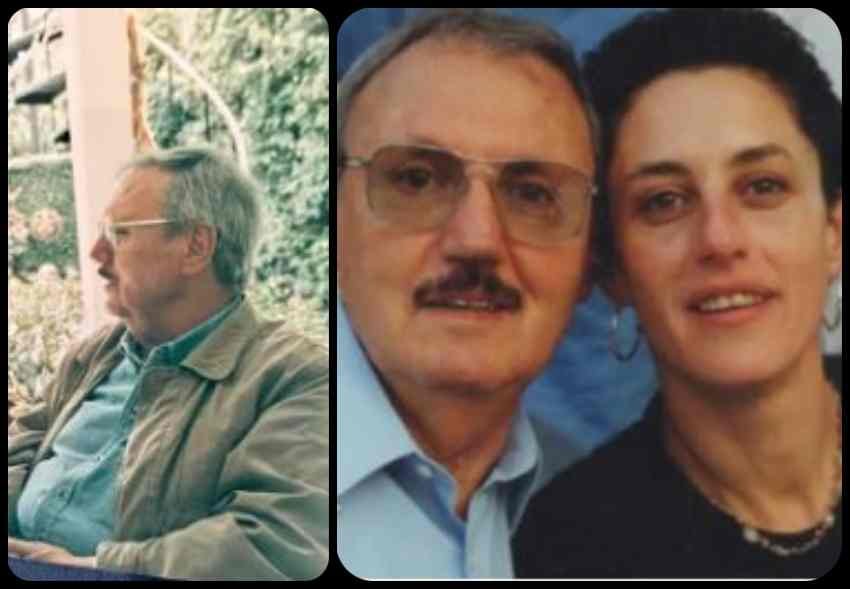
Carlos Sheinbaum Yoselevitz is a name that might not be familiar to everyone today, but his influence on Mexican industry, society, and family legacy reaches far beyond his lifetime. Born in the early 20th century, he became one of Mexico’s most noteworthy chemical engineers and businessmen. In a career spanning several decades, Carlos Sheinbaum Yoselevitz dedicated his life to scientific progress, industrial innovation,
and community leadership. His story is not just one of technical achievement; it’s also a narrative of deep cultural roots, enduring family values, and lasting influence on future generations.
From Humble Beginnings to Industrial Visionary
Carlos Sheinbaum Yoselevitz was born on February 25, 1933, in Guadalajara, Jalisco, Mexico, into a family of Jewish immigrants from Lithuania. His parents were part of a wave of Ashkenazi Jews who left Europe for the Americas in the early 20th century, seeking safety and new opportunities. Growing up, Carlos was surrounded by strong cultural values of education, resilience, and community influences that would
shape his entire life. From an early age, Carlos displayed an extraordinary aptitude for science and mathematics. As a student, he excelled in chemistry and engineering-related subjects, and his mentors quickly recognized his potential. This early promise eventually led him to pursue formal education in chemical engineering at the National School of Chemical Sciences at the National Autonomous University of Mexico
(UNAM) and later at the University of Guadalajara, where he honed both theoretical and practical skills in chemical production, industrial processes, and technological innovation. His formative years were marked not only by academic excellence but also by a curiosity about how science could serve society. Carlos’s experiences growing up in a culturally diverse and immigrant-rich environment instilled in him a deep
understanding of the importance of community support and social responsibility, principles that guided his later professional and personal endeavors.
Advancing Mexico’s Chemical and Leather Industries
One of the central achievements in the life of Carlos Sheinbaum Yoselevitz was his role in transforming Mexico’s leather tanning industry. In 1960, alongside two colleagues, he co‑founded Sintacrom de México, S.A. de C.V., the first Mexican company dedicated to producing basic chromium sulfate. This compound was essential to leather processing, a chemical previously imported from abroad, and Carlos’s company
marked a turning point both in domestic manufacturing and in industrial self-sufficiency. For more than three decades, Carlos served as technical commercial director of Sintacrom. Under his leadership, the company not only developed reliable local production of tanning chemicals but also became an industry leader known for quality and innovation. By making these chemicals available within Mexico,
Carlos Sheinbaum Yoselevitz helped drive down costs, improve production timelines, and elevate the entire leather manufacturing sector into a more competitive position on the global stage. His vision extended beyond immediate profits. Carlos recognized the strategic importance of developing domestic expertise in chemical engineering. By training young engineers, fostering research, and establishing quality
standards, he ensured that Mexico could compete with international markets and reduce its reliance on imported technologies.
Innovation, Leadership, and Industry Standards
Carlos Sheinbaum Yoselevitz’s contributions went beyond running a successful company. Recognizing that industrial innovation thrives in collaboration, he became deeply involved in professional organizations and national trade associations. On multiple occasions, he served as president of the Mexican Federation of Leather Chemists and Technicians, an organization dedicated to promoting research, professional
development, and technological advancement in the leather industry. He initiated forums such as the National Technical Meeting of Tanning, which brought together experts, manufacturers, and researchers. These gatherings became critical platforms for knowledge exchange, helping the industry adopt safer, more efficient, and environmentally responsible production techniques. Under Carlos’s leadership, Mexican leather
production was not only modernized but also aligned with global standards, establishing a lasting industrial legacy. His leadership style was both visionary and pragmatic. He balanced technical rigor with economic feasibility, encouraging companies to adopt cutting-edge processes while remaining mindful of Mexico’s unique industrial landscape. In doing so, he helped bridge the gap between innovation
and practical implementation a skill that many industrialists of his era struggled to achieve.
Family Life and Personal Values
While Carlos Sheinbaum Yoselevitz achieved significant professional success, he was equally committed to his family and personal values. He married biologist Annie Pardo Cemo, and together they raised three children: Julio, Adriana, and Claudia. Their home was a nurturing environment for education, critical thinking, and cultural awareness. Family members recount that conversations often revolved around
science, social responsibility, and civic engagement a reflection of the couple’s own interests and values. Carlos strongly believed that intellectual curiosity should be cultivated from an early age, and he encouraged his children to explore science, arts, and social issues alike. This emphasis on education and ethical responsibility would leave a lasting mark on his family, shaping their approach to life and career.
Indeed, Claudia Sheinbaum, his daughter, went on to become a prominent scientist and political leader. Her career and achievements reflect not only her own capabilities but also the foundational values instilled by her father. Carlos’s influence is evident in her commitment to social justice, sustainable development, and public service ideals that mirror his own dedication to community and progress.
Cultural Heritage and Social Impact
Carlos Sheinbaum Yoselevitz’s life cannot be fully understood without considering his cultural background. The Sheinbaum family’s Jewish heritage played a significant role in shaping his worldview. As part of Mexico’s Jewish community, Carlos and his family maintained traditions that emphasized education, community service, and resilience. These values were integral to his approach to both business and family life.
Moreover, Carlos was actively engaged in broader social movements, including the Mexican student movement of 1968. Alongside his wife, he supported efforts advocating for educational reform, social justice, and political transparency. This involvement demonstrates that his commitment to progress extended beyond the professional realm and into societal transformation, highlighting a multidimensional legacy.
Mentorship and Influence on Future Generations
A lesser-known but highly significant aspect of Carlos Sheinbaum Yoselevitz’s life was his dedication to mentoring young engineers and professionals. Throughout his career, he actively supported the development of new talent, offering guidance, training, and opportunities for hands-on experience in the chemical and leather industries. Many of his mentees went on to become leaders in their own right, attributing
their professional success to Carlos’s mentorship and example. By fostering talent, he not only strengthened individual careers but also ensured that his vision for a technologically advanced and self-sufficient Mexico continued well beyond his own tenure.
Legacy and Continued Relevance
Carlos Sheinbaum Yoselevitz passed away on August 29, 2013, at the age of 80, leaving a profound legacy that bridges science, industry, culture, and family. His impact remains evident in Mexico’s tanning and chemical industries, the professional networks he helped establish, and the values he imparted to his children and protégés. His life serves as a powerful example of how technical expertise, entrepreneurial vision,
and personal integrity can converge to create lasting societal change. Beyond his industrial achievements, Carlos demonstrated that leadership involves fostering community, preserving cultural heritage, and nurturing future generations, principles that remain relevant today.
The Enduring Significance of Carlos Sheinbaum Yoselevitz
Carlos Sheinbaum Yoselevitz’s story is a testament to the lasting impact one individual can have when dedication, expertise, and values align. He successfully integrated innovation, social responsibility, and family legacy into a coherent life mission, leaving an enduring mark on both his industry and society.
Final Words
By advancing domestic chemical production, mentoring future leaders, and actively participating in social causes, Carlos not only strengthened Mexico’s industrial capabilities but also inspired a culture of integrity and excellence. His life reminds us that true leadership extends beyond personal success to creating opportunities, promoting knowledge, and cultivating values that endure across generations.
Carlos Sheinbaum Yoselevitz exemplifies the power of combining technical mastery with cultural and ethical commitment. His contributions to Mexico’s industrial development, his devotion to family, and his broader societal impact make him a figure whose influence continues to resonate today, shaping the lives of those who follow in his footsteps.
Home Of Inspiring Biographies: OneWorldplate