In recent years, conversations around global food systems, sustainability, and cultural connection have grown more complex and more urgent. Food is no longer seen only as nourishment; it has become a language that communicates values, ethics, and identity. Within this evolving discussion, oneworldplate daniel croteau has emerged as a phrase associated with ideas that connect cuisine, culture, and responsibility on a
global scale. Rather than pointing to a single trend, it reflects a broader way of thinking about how food choices intersect with people, places, and the planet. This article explores the ideas, context, and implications surrounding this keyword, focusing on its conceptual meaning rather than any form of promotion. By looking at global food narratives, individual influence, and cultural exchange, we can
better understand why such concepts resonate in today’s world.
Understanding the Context of oneworldplate daniel croteau
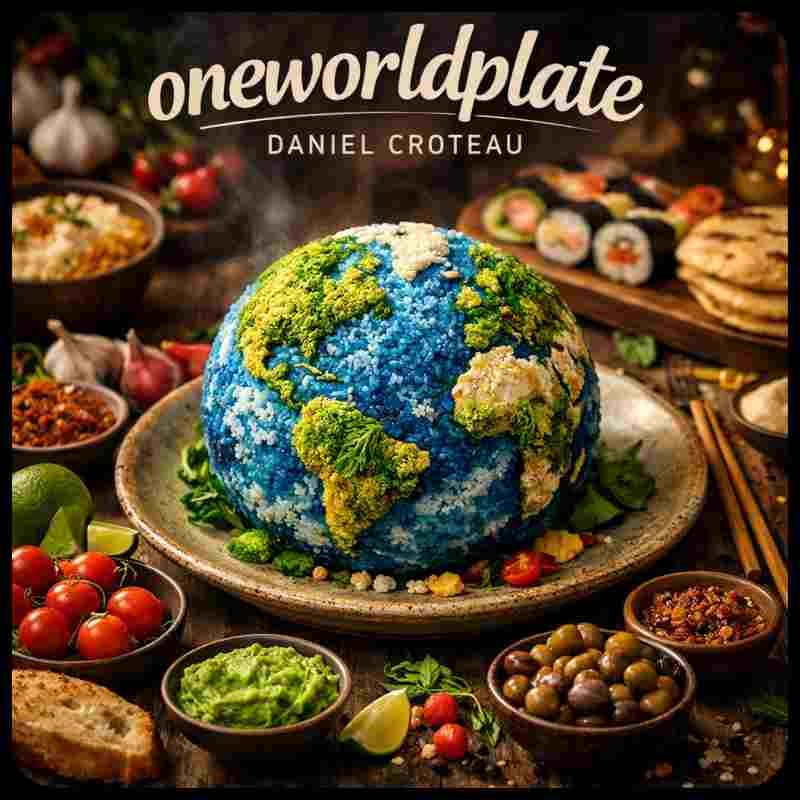
To understand oneworldplate daniel croteau, it helps to step back and look at the larger global conversation about food. Around the world, food systems are deeply interconnected. Agricultural practices in one region can affect ecosystems thousands of miles away, while culinary traditions migrate alongside people, blending and evolving over time. The phrase suggests an idea of unity one world represented on a single plate.
This does not imply uniformity, but rather coexistence. Different ingredients, techniques, and traditions can share space without losing their identity. In this sense, the concept highlights balance: respecting local food cultures while acknowledging their place in a global network.
Food as a Global Language
Food has always been a powerful form of communication. Without words, a meal can tell stories of migration, survival, celebration, and adaptation. Dishes often carry the history of entire communities, shaped by geography, climate, and social change. When discussing oneworldplate daniel croteau, the emphasis is often on food as a unifying force. A single meal may combine grains from one continent,
spices from another, and techniques passed down through generations. This blending does not erase origins; instead, it creates dialogue between cultures. In an increasingly globalized society, such exchanges help foster understanding and curiosity rather than division.
Sustainability and Responsibility in Modern Food Thinking
Modern food discussions cannot ignore sustainability. Climate change, resource depletion, and food insecurity are central concerns that influence how people think about what they eat. The idea behind oneworldplate daniel croteau aligns with a growing awareness that food choices have consequences beyond personal taste. Sustainable food thinking involves questions such as where ingredients come from,
how they are produced, and who benefits from their production. It encourages mindfulness rather than excess and prioritizes long-term ecological balance over short-term convenience. This perspective does not demand perfection but promotes informed decision-making grounded in awareness and respect.
Cultural Exchange Without Erasure
One of the challenges of global food culture is avoiding cultural erasure. When dishes travel across borders, they are often adapted, simplified, or rebranded. While adaptation is natural, it can sometimes strip food of its cultural significance. Within discussions tied to oneworldplate daniel croteau, there is an implicit call for respectful exchange. This means acknowledging origins, understanding context, and giving credit
where it is due. Food can evolve while still honoring its roots. Such an approach allows cultures to share without being overshadowed or misunderstood.
Individual Influence in a Shared System
Although global food systems are vast, individual choices still matter. What people cook at home, order at restaurants, or support through markets collectively shapes demand. Over time, these choices influence agricultural practices, supply chains, and culinary trends. The philosophy associated with oneworldplate daniel croteau suggests that individuals are participants, not bystanders, in the global food system.
Awareness can begin with simple actions: learning about ingredients, reducing waste, or exploring unfamiliar cuisines with respect. Small decisions, multiplied across communities, can create meaningful change.
The Role of Storytelling in Food Culture
Stories play a crucial role in how food is understood and valued. Recipes passed down through families often come with memories, rituals, and lessons. On a larger scale, storytelling helps connect people to food systems they might otherwise see as distant or abstract. In conversations referencing oneworldplate daniel croteau, storytelling helps humanize global food issues. Rather than focusing solely on statistics or policies,
stories highlight farmers, cooks, and communities. This narrative approach fosters empathy and makes complex issues more relatable and actionable.
Bridging Tradition and Innovation
Food culture constantly balances tradition and innovation. While some recipes remain unchanged for centuries, others adapt quickly to new technologies and tastes. Neither approach is inherently better; both contribute to a living culinary landscape. The ideas behind oneworldplate daniel croteau encourage thoughtful innovation. New methods and combinations can coexist with traditional practices when guided by respect
and understanding. Innovation becomes meaningful when it builds upon knowledge rather than replacing it without consideration.
A Broader Reflection on Global Connection
At its core, the concept symbolized by oneworldplate daniel croteau reflects a broader human desire for connection. Food becomes a tangible expression of shared responsibility and mutual influence. It reminds us that no meal exists in isolation; every plate is connected to land, labor, culture, and history. As global challenges continue to shape the future of food, such perspectives offer a framework for reflection. They
encourage curiosity instead of judgment and awareness instead of indifference. By seeing food as a shared experience, people can better appreciate both diversity and interdependence.
Conclusion
The keyword oneworldplate daniel croteau represents more than a phrase it points toward a way of thinking about food as a unifying, culturally rich, and ethically significant part of human life. Through sustainability, cultural respect, storytelling, and individual responsibility, this perspective highlights how deeply interconnected the world truly is. In recognizing these connections, food becomes not just something
we consume, but something that helps us understand our place within a shared global community.
Home Of Biographies: OneWorldplate