
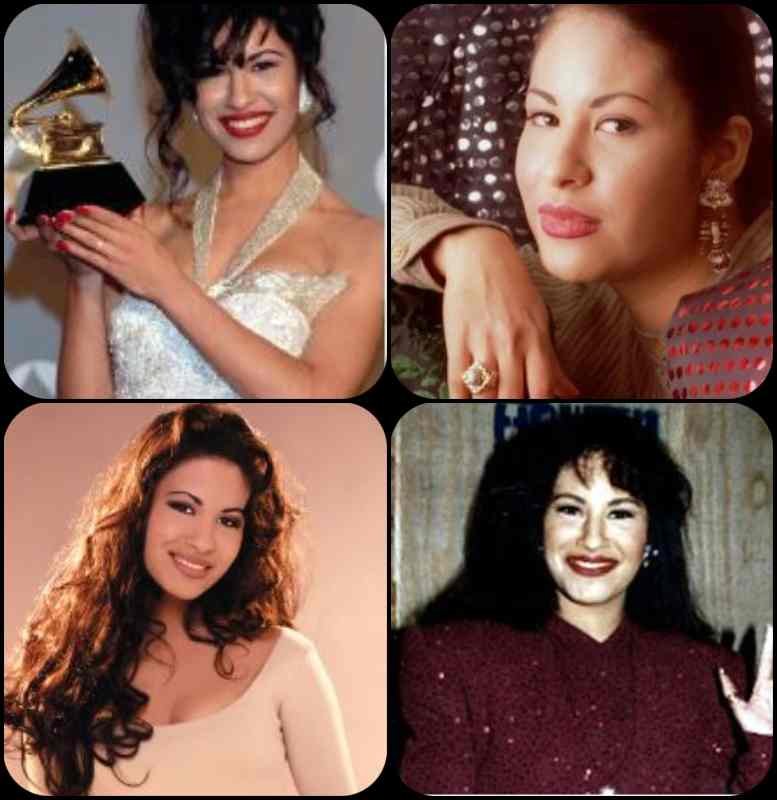
Selena Quintanilla Pérez remains one of the most influential and beloved figures in American music history. Often referred to as the “Queen of Tejano Music,” Selena was a groundbreaking artist who transformed a regional genre into a national and international phenomenon. Her talent, charisma, cultural pride, and crossover appeal helped bridge Latin and mainstream American music in ways that few artists before her had
accomplished. Despite her life being tragically cut short at the age of 23, Selena’s impact continues to resonate across generations. Her story is one of ambition, family unity, cultural identity, extraordinary success, and heartbreaking loss, followed by a legacy that has only grown stronger with time. This article provides an in-depth exploration of Selena Quintanilla’s life, from her early beginnings and family
background to her education, career milestones, personal life, tragic death, and enduring influence.
Selena Quintanilla Early Life
Selena Quintanilla was born on April 16, 1971, in Lake Jackson, Texas, United States. From an early age, it was evident that Selena possessed a natural gift for music. Her ability to sing with pitch, emotion, and confidence was noticeable before she even entered elementary school. Music was not merely a hobby in the Quintanilla household; it was a central part of daily life. Selena grew up in a working-class family that faced
financial struggles during her early childhood. These challenges, however, helped shape her strong work ethic and resilience. She was exposed to a wide range of musical influences, including traditional Mexican music, American pop, R&B, and country, which later became integral to her unique sound.
Selena Quintanilla Family Background
Selena Quintanilla was the youngest child of Abraham Quintanilla Jr and Marcella Ofelia Quintanilla. Her father, Abraham, was a former musician who had once been part of a band called Los Dinos. Although his own music career did not achieve long-term commercial success, Abraham retained a deep understanding of the music industry and recognized Selena’s exceptional talent early on. Her mother, Marcella, played
a supportive and stabilizing role in the family, managing the household while encouraging her children’s artistic pursuits. Selena had two older siblings: Abraham Isaac Quintanilla III, known as A.B., and Suzette Quintanilla. A.B. became a skilled musician and songwriter, while Suzette played the drums. Together, the siblings formed the band Selena y Los Dinos, with their father acting as manager and producer. The Quintanilla
family was close-knit, and their shared commitment to Selena’s career required significant sacrifices. They traveled extensively, often performing at small venues, fairs, and community events across Texas and beyond.
Selena Quintanilla’s Education
Selena’s education was unconventional due to her demanding performance schedule. As her music career began to take off, frequent travel made it difficult for her to attend a traditional school. Eventually, her parents made the decision to withdraw her from public school so she could focus on her career while continuing her studies through correspondence education. Despite the challenges, Selena remained committed to
learning and earned her high school diploma through distance education. She also briefly attended Pacific Western University, where she pursued studies in business administration. Her interest in business was genuine and forward-looking, as she envisioned a future beyond music that included fashion and entrepreneurship.
Early Career and Musical Beginnings
Selena’s professional career began when she was still a child. She started performing with Selena y Los Dinos at family owned restaurants and local events. Initially, the band struggled to gain traction, particularly because Tejano music was male-dominated at the time, and female lead singers were rare. Language was another barrier. Although Selena was of Mexican American heritage, her first language was English, and she
had to learn Spanish phonetically to perform Tejano music effectively. Through dedication and practice, she became fluent enough to sing convincingly, earning respect and admiration from Spanish-speaking audiences. Throughout the 1980s, Selena y Los Dinos gradually built a loyal following. They performed relentlessly, sometimes several shows in a single day, slowly establishing Selena as a rising star in the
Tejano music scene.
Breakthrough and Rise to Fame
Selena’s breakthrough came in the late 1980s when she began winning awards and gaining industry recognition. In 1989, she signed with EMI Latin Records, a pivotal moment that marked her transition from regional performer to professional recording artist with national exposure. Herself titled debut album under EMI Latin laid the foundation for future success. However, it was her subsequent albums, including Ven
Conmigo (1990) and Entre a Mi Mundo (1992) that solidified her status as a major star. The song “Como La Flor” became one of her signature hits and remains one of the most recognizable Latin pop songs of all time. Selena’s energetic stage presence, distinctive voice, and glamorous yet approachable image set her apart. She appealed to both Spanish speaking and English-speaking audiences, positioning her as a
crossover artist before the term became widely used.
Career Achievements and Success
Selena’s career was marked by a series of historic achievements. In 1994, she won a Grammy Award for Best Mexican-American Album for Live!, making her the first female Tejano artist to receive this honor. The achievement was groundbreaking and underscored her influence in a genre traditionally dominated by men. Her 1994 album Amor Prohibido was a massive commercial success, producing several chart-topping
singles and becoming one of the most successful Latin albums in U.S. history. The album’s themes of love, family, and cultural pride resonated deeply with fans. Selena’s success was extended beyond album sales. Selena Quintanilla sold out major venues, headlined festivals, and became a frequent presence on television and in magazines. Her fashion sense, often featuring bold colors, fitted bodices, and signature bustiers,
became iconic and influential.
Married Life and Personal Relationships
Despite her fame, Selena maintained a relatively private personal life. One of the most significant relationships in her life was with Chris Pérez, the lead guitarist of Selena y Los Dinos. Their relationship began quietly, as Selena’s father was initially opposed to the idea of band members dating. In 1992, Selena and Chris secretly eloped, getting married in a courthouse ceremony. The marriage initially caused tension within the
family, but over time, Abraham Quintanilla accepted the relationship, recognizing the genuine love and support between the couple. Selena Quintanilla often spoke fondly of her marriage, describing Chris as her best friend and confidant. She expressed hopes of starting a family someday, although her demanding career schedule meant those plans were still in the future at the time of her death.
Selena Quintanilla Physical Appearance and Public Image
Selena was widely admired for her beauty, style, and confidence. She had dark brown hair, expressive brown eyes, and a radiant smile that captivated audiences. Her fashion sense blended traditional Latin influences with contemporary American trends, creating a look that was both glamorous and relatable. She was known for designing many of her own stage outfits, a reflection of her passion for fashion. Selena embraced
her curves at a time when mainstream beauty standards often favored a different body type, making her a role model for body positivity and self confidence. Her image was not just about appearance but also about authenticity. Fans admired her humility, warmth, and genuine connection with audiences.
Business Ventures and Net Worth
In addition to music, Selena was an entrepreneur with a strong interest in fashion and business. She opened two Selena Etc. boutiques in Texas, which combined clothing, accessories, and beauty salons. These ventures reflected her vision of building a brand that extended beyond music. At the time of her death in 1995, Selena’s net worth was estimated in the low millions of dollars, a remarkable achievement given her young age
and relatively short career. In the years following her death, her estate has continued to generate revenue through album sales, merchandise, licensing, and media projects. Today, Selena Quintanilla’s brand is considered highly valuable, and her net worth, managed by her family’s estate, has grown significantly over time due to her enduring popularity.
Who Killed Selena Quintanilla
Selena Quintanilla’s life was tragically cut short on March 31, 1995. She was murdered by Yolanda Saldívar, the president of her fan club and the manager of Selena Etc. boutiques. Saldívar had been entrusted with significant responsibility but was later discovered to have been embezzling money from Selena’s businesses. When confronted, Saldívar became unstable and defensive. Selena agreed to meet her at a motel in Corpus
Christi, Texas, to retrieve important financial documents. During this meeting, an argument occurred, leading to the fatal shooting.
How Selena Quintanilla Died
Selena Quintanilla was shot in the back with a revolver as she attempted to flee the motel room. She ran to the lobby, where she collapsed. Despite immediate medical attention, she died from blood loss shortly thereafter at a local hospital. The news of her death sent shockwaves throughout the United States and beyond. Fans gathered in massive numbers to mourn her, holding vigils and memorials. The loss was
particularly devastating because Selena was on the brink of crossing over into the English-language pop market, with her English album nearly completed. Yolanda Saldívar was later convicted of first-degree murder and sentenced to life in prison.
Posthumous Releases and Updates
After Selena Quintanilla’s death, her English language album, Dreaming of You, was released in July 1995. The album debuted at number one on the Billboard 200 chart, making Selena the first Latin artist to achieve this milestone. The success of the album introduced her to an even broader audience and solidified her status as a global star. In the years since, numerous compilations, documentaries, books, and a
biographical film have been released. The 1997 film Selena, starring Jennifer Lopez, played a major role in preserving her story and introducing her to new generations. More recently, streaming platforms and social media have further expanded Selena’s reach, ensuring her music remains accessible and relevant.
Selena Quintanilla Legacy and Cultural Impact
Selena Quintanilla’s legacy extends far beyond her music. She is widely regarded as a cultural icon that helped pave the way for future Latin artists in the American mainstream. Her success demonstrated that bilingual, bicultural artists could thrive without sacrificing their identity. Selena Quintanilla remains a symbol of perseverance, family unity, and pride in heritage. Selena’s influence can be seen in the careers of many
contemporary artists who cite her as an inspiration. In 2017, Selena Quintanilla was honored with a star on the Hollywood Walk of Fame, one of the most attended ceremonies in its history. Her memory continues to be celebrated through festivals, museum exhibits, and educational initiatives.
Conclusion
Selena Quintanilla’s life was brief but profoundly impactful. From her humble beginnings in Texas to her rise as the Queen of Tejano Music, she achieved extraordinary success through talent, hard work, and unwavering family support. Her tragic death remains one of the most heartbreaking moments in music history, yet her legacy endures with remarkable strength. Selena is remembered not only for her powerful
voice and chart-topping songs but also for her kindness, authenticity, and cultural significance. Decades after her passing, she continues to inspire millions, proving that true artistry and genuine spirit can transcend time.
Home Of Inspiring Biographies: Oneworldplate